Uncovering Connections in Reward Distribution Methods Across Diverse Electronic Entertainment Formats
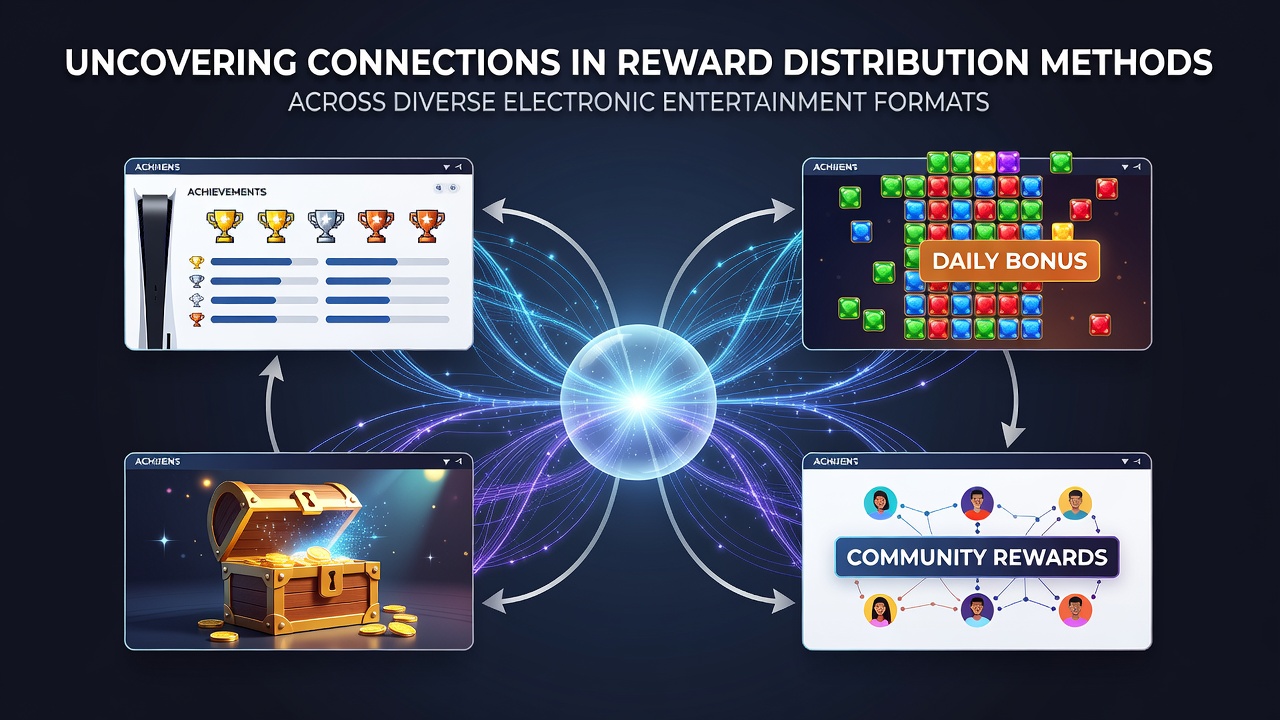
Electronic entertainment formats span slot machines, video lottery terminals, automated table games, and interactive digital platforms where reward distribution relies on interconnected algorithms that calculate payouts based on random number generators and return-to-player percentages. Observers note that these systems often share core computational frameworks even when the games appear distinct in presentation and rules, creating patterns that researchers track through industry reports and regulatory filings.
Core Technical Foundations Linking Distribution Methods
Reward allocation in electronic formats begins with centralized random number generator protocols that determine outcomes across multiple game types, and data from regulatory audits shows how these generators feed into separate but related payout tables for slots versus electronic bingo or keno variants. The same underlying seed values and cycle lengths frequently appear in both reel-based machines and card-dispensing terminals because developers reuse certified modules to meet compliance standards set by bodies such as the Nevada Gaming Control Board. This reuse produces measurable overlaps in hit frequency and prize tier structures, allowing operators to adjust volatility settings uniformly across an entire floor or network.
Cross-Platform Pooling and Synchronization Practices
Operators link reward pools between different formats through progressive jackpot networks that aggregate contributions from slots, electronic roulette wheels, and video poker stations into shared prize tiers, while figures released in July 2026 by the Victorian Commission for Gambling and Liquor Regulation documented increased synchronization volumes after new multi-site licensing rules took effect. Such pooling requires precise metering of coin-in across machine classes so that each format contributes proportionally to the growing jackpot without creating imbalances that violate local caps on prize accumulation. Technical logs reveal that timestamped transaction packets travel between servers managing disparate game engines, ensuring that a win on one terminal can trigger resets visible on screens of entirely different game styles.
Regulatory Oversight and Data Transparency Requirements
Government agencies mandate detailed reporting on reward distribution metrics, and analysts compare datasets from jurisdictions including those overseen by the New Jersey Division of Gaming Enforcement alongside records from Canadian provincial gaming corporations to identify consistent methodologies for auditing prize delivery. These comparisons highlight how electronic formats must maintain independent verification trails for every reward event, yet the verification software packages themselves often derive from the same vendor libraries. In practice, this means a single certification lab may test RNG integrity for both lottery terminals and digital wheel games using identical statistical test suites, producing parallel documentation that regulators cross-reference during compliance reviews.
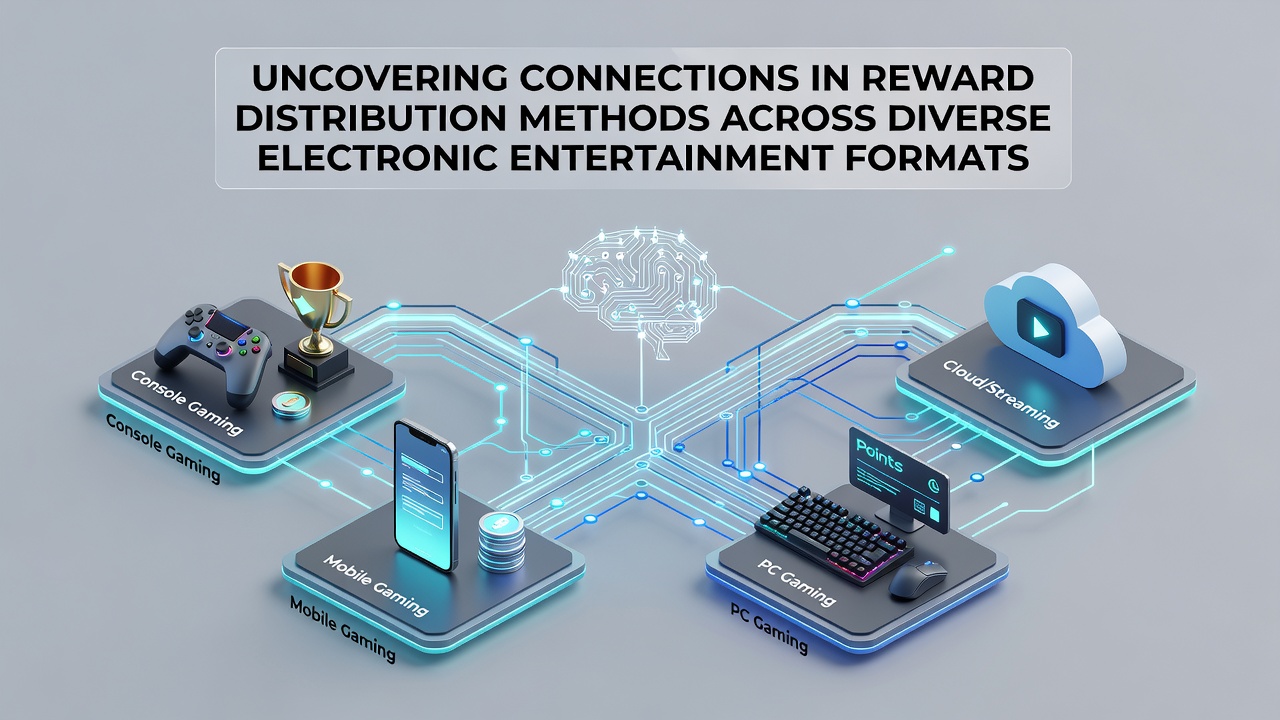
Algorithmic Similarities in Prize Tier Construction
Engineers construct prize ladders by mapping probability bands onto fixed payout percentages, and studies of deployed systems indicate that the mathematical weighting applied to low-tier rewards in electronic slots mirrors the weighting used for consolation prizes in automated bingo halls because both rely on the same base probability curves adjusted only by game-specific parameters. This shared foundation allows developers to port distribution logic between formats with minimal recoding, a practice confirmed in technical white papers issued by gaming standards organizations. When operators introduce new themes or layouts, the underlying reward allocation engines remain largely unchanged, preserving the statistical relationships that players encounter across different machines.
Integration with Player Tracking and Reward Adjustments
Player loyalty systems feed real-time data back into reward distribution engines so that bonus multipliers or personalized offers adjust dynamically based on historical play patterns recorded on multiple format types. Those who manage casino floors report that a single central database often governs comp calculations for both reel games and electronic table terminals, enabling seamless transfer of player status across the property. This integration produces observable correlations between time spent on one format and reward frequency on another, because the tracking layer applies uniform algorithms regardless of the physical interface used.
Conclusion
Connections in reward distribution methods emerge from shared technical components, synchronized pooling mechanisms, and overlapping regulatory requirements that span electronic entertainment formats. Reports compiled through July 2026 continue to illustrate how these linkages support consistent operational standards while allowing operators to deploy varied game experiences under unified backend architectures.