Shifts in Player Behavior Patterns When Video Poker Algorithms Connect to Table Game Promotions Through Layered Bonus Structures
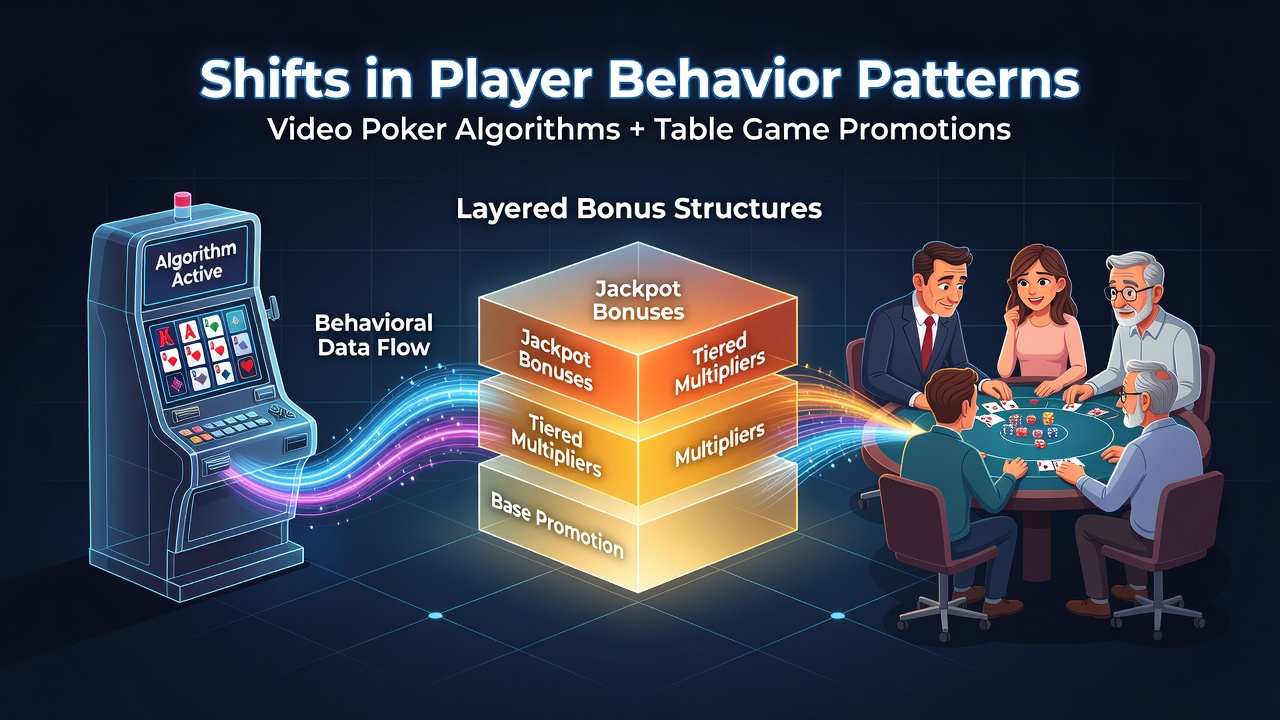
Video poker systems now integrate directly with table game promotions through layered bonus structures that adjust rewards based on player activity across multiple formats, and observers note these connections alter how participants allocate their time and wagers during sessions. Data from casino operations shows players respond to algorithmic triggers that unlock table bonuses after meeting video poker thresholds, creating sequences where one game feeds progress into another without separate tracking steps.
Mechanics Behind the Layered Connections
Algorithms in video poker machines calculate session metrics such as hands played and points accumulated, then transmit those values to centralized promotion engines that apply bonuses to table games like blackjack or roulette. Researchers at the University of Nevada Reno documented these data flows in operational reports where a single loyalty card tracks progress across both machine types and table pits, allowing promotions to activate automatically once thresholds clear. Players often shift from video poker stations to table areas once the system signals an active multiplier or cashback layer, and figures from Nevada Gaming Control Board records reveal increased table game entries during peak promotion windows in early 2026.
Layered structures typically stack base rewards with conditional add-ons, such as an initial match on table bets followed by a progressive tier if video poker volume exceeds a set amount within the same day. This setup reduces the need for manual bonus claims and encourages continuous engagement because the algorithm monitors cumulative activity in real time.
Documented Changes in Session Patterns
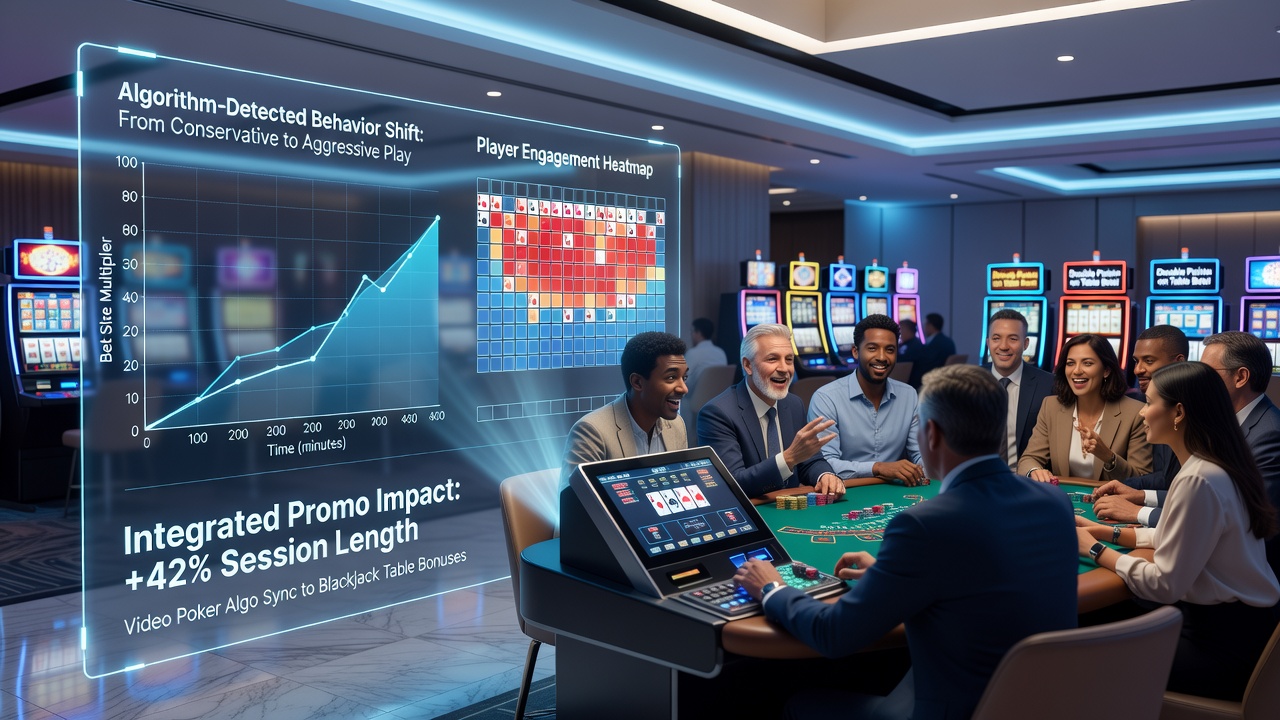
Analyses of player tracking data indicate participants spend longer overall sessions when these connections operate because the layered bonuses extend value across game types rather than confining rewards to one category. One study from the Canadian Centre on Substance Use and Addiction examined loyalty program logs and found average table game dwell time rose when video poker contributions counted toward table promotions, with many players alternating between stations in shorter cycles instead of committing to single-game marathons. Those patterns emerged clearly in properties that synchronized their systems before June 2026, when updated compliance standards required clearer disclosure of cross-game bonus calculations.
Behavior logs also show reduced abandonment rates at video poker machines because players anticipate downstream table benefits, while table pit traffic increases during periods when video poker algorithms push notifications about unlocked promotions. Observers tracking these movements note participants plan their evening around the layered structure, moving from machines to tables and back as each layer completes and refreshes the next reward opportunity.
Regional Data and Regulatory Observations
Reports compiled by the New Jersey Division of Gaming Enforcement through 2025 and into mid-2026 tracked similar shifts in Atlantic City properties, where video poker to table promotion linkages produced measurable changes in hourly player distribution. Those reports list higher table game utilization rates during hours when video poker algorithms released layered bonuses, and the data further breaks down participation by player segment without revealing individual identities. Australian research groups studying integrated gaming platforms reported parallel trends in venues that adopted comparable systems, noting players who previously focused on table games alone began incorporating video poker segments to unlock additional layers.
Industry associations such as the American Gaming Association have compiled summaries of these operational changes, highlighting how the algorithmic connections streamline promotion delivery while maintaining separation between game outcomes and reward calculations. The summaries emphasize that regulatory reviews in multiple jurisdictions continue to examine whether these structures affect responsible play indicators, though specific metrics remain aggregated at the property level.
Future Tracking Considerations
System updates scheduled for later in 2026 aim to refine how algorithms detect and apply layered bonuses across video poker and table environments, with developers focusing on reducing latency between machine activity and table promotion activation. Gaming technology firms continue to test interfaces that display real-time progress toward the next layer regardless of whether a player sits at a machine or stands at a table, and preliminary operator feedback suggests these displays further influence movement patterns on the floor.
Regulatory bodies in both North America and Australia maintain ongoing data collection on these integrated systems, ensuring transparency requirements keep pace with algorithmic complexity. The collected figures show consistent cross-game traffic increases once layered structures become active, providing operators with clearer pictures of how players navigate connected promotions.
Conclusion
Integrated video poker algorithms and table game promotions through layered bonuses produce measurable shifts in how players sequence their activity across casino floors. Tracking data from multiple regions demonstrates extended session lengths, alternating game choices, and higher utilization of both machine and table areas when these connections function. Continued monitoring by regulatory agencies and research institutions will document whether these patterns evolve further as system refinements roll out through 2026 and beyond.