Reward Transfer Protocols Between Digital Reel Machines and Electronic Card Tables in Contemporary Gaming Software

Contemporary gaming software relies on reward transfer protocols to move player incentives between digital reel machines and electronic card tables without manual intervention or separate accounts, and these systems operate through standardized data exchange layers that connect slot management servers with table game platforms in real time. Operators integrate these protocols into casino management systems so that loyalty points earned on reel-based games convert directly into table game credits or bonus eligibility, while electronic card tables feed progress data back into the same centralized reward ledger.
Core Components of Transfer Mechanisms
Protocol stacks typically include an application programming interface layer that handles authentication, a transaction ledger that records point movements, and a rules engine that applies conversion rates based on game type and jurisdictional requirements. Data packets travel between the reel machine software and the card table interface through encrypted channels that maintain session continuity even when players switch game categories mid-play. According to reports published by the Nevada Gaming Control Board, these transfers must comply with audit trails that log every point allocation and redemption event across both machine types.
Developers embed checksum validation routines inside the protocol so that any interruption during transfer triggers an automatic rollback to the original balance state, preventing discrepancies that could affect player accounts or regulatory reporting. Electronic card tables often run on separate processing modules from reel machines, yet the protocols bridge these modules by mapping reward categories such as cashback, free play, and tier points into a unified format that both systems recognize instantly.
Integration Patterns Across Software Platforms
Many casino software suites employ a hub-and-spoke architecture where a central rewards server acts as the hub, while individual game clients function as spokes that request and confirm transfers on demand. Reel machines push accumulated data to the hub at the conclusion of each spin sequence, and electronic card tables query the same hub before dealing a new hand to determine whether transferred rewards apply to the current session. This bidirectional flow supports promotions that span game categories, such as earning table game entry through slot play or unlocking reel bonuses via card game performance metrics.
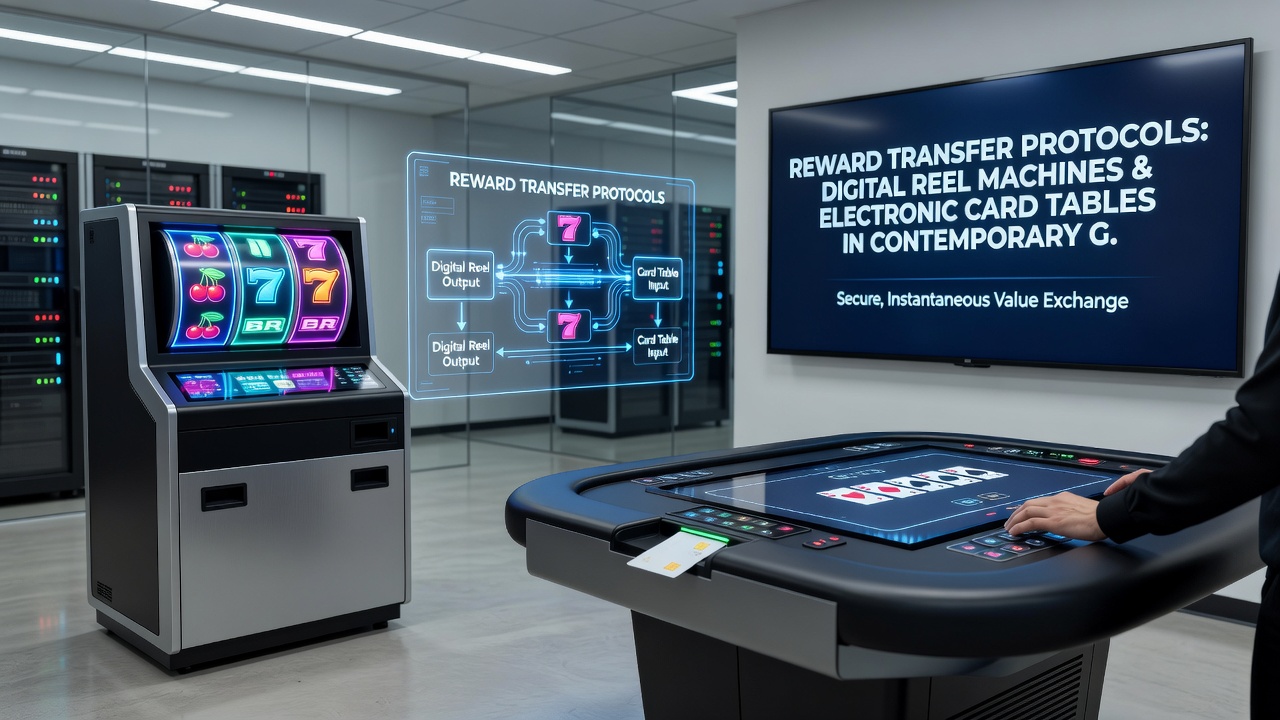
Research from the Australian Gambling Research Centre indicates that synchronized reward ledgers reduce administrative overhead by eliminating duplicate player tracking entries, while figures reveal that real-time reconciliation cuts processing delays to under two seconds in most integrated environments. Software vendors configure these protocols to respect regional limits on reward usage, such as caps on transferable balances or restrictions on converting certain bonus types between game classes.
Regulatory Updates Scheduled for Mid-2026
Beginning in July 2026, several North American jurisdictions plan to enforce enhanced interoperability standards that require reward transfer protocols to support cross-vendor compatibility between reel and table systems. These standards specify mandatory data fields for transaction records and mandate that operators demonstrate audit capability for every transfer event spanning different game hardware. Gaming associations note that the upcoming rules also address latency thresholds and require fallback procedures when network conditions prevent immediate confirmation between machines.
Implementation timelines show that major software providers have already begun testing updated protocol versions against these forthcoming requirements, with pilot programs running in controlled environments to verify that point conversions remain accurate across reel and card game combinations. Observers note that the changes aim to align reward mechanics more closely with player movement patterns documented in multi-game sessions.
Technical Challenges and Resolution Methods
One persistent challenge involves maintaining consistent reward valuation when reel machines and electronic card tables use different internal currencies or bonus multipliers, yet protocol designers address this through dynamic mapping tables that adjust values according to predefined exchange algorithms. Error handling routines detect mismatched states during transfer attempts and prompt the system to recalculate balances before completing the transaction, thereby preserving data integrity across the platform.
Case studies from integrated casino floors demonstrate that these resolution methods keep player accounts synchronized even during high-volume periods when multiple reward transfers occur simultaneously. Data exchange logs capture each adjustment step so that compliance teams can reconstruct the sequence of events if discrepancies arise during routine audits.
Conclusion
Reward transfer protocols continue to evolve as gaming software incorporates more diverse machine types and regulatory frameworks tighten interoperability expectations ahead of the July 2026 deadlines. The systems connect digital reel machines with electronic card tables through structured data flows that prioritize accuracy, auditability, and real-time responsiveness across contemporary platforms.